Introduction
As aerospace programmes continue to increase in complexity and production demand, manufacturers must ensure every stage of the supply chain is aligned to support long-term delivery, quality, and rate readiness. ST Engineering MRAS has embedded a proactive Industrial Quality Readiness (IQR) process that enables cross-functional teams and customers to collaboratively assess capability, identify risks, and prepare for sustainable programme ramp-up.
Used across major aerospace programmes, including the C919 and A320, the IQR process supports production scalability while helping customers maintain confidence in programme readiness and long-term delivery performance.
The Challenge
Aerospace programmes often involve extended lead times, evolving production requirements, and complex global supply chains. As demand increases, manufacturers must ensure production capability, quality systems, workforce planning, and supplier readiness remain aligned with both current and future programme requirements.
Without structured readiness planning, production bottlenecks, quality concerns, or supply chain constraints can impact delivery schedules and programme performance.
The ST Engineering MRAS Approach
ST Engineering MRAS leverages the Industrial Quality Readiness process to create greater visibility and alignment across internal teams and customer stakeholders during programme ramp-up and long-term production planning.
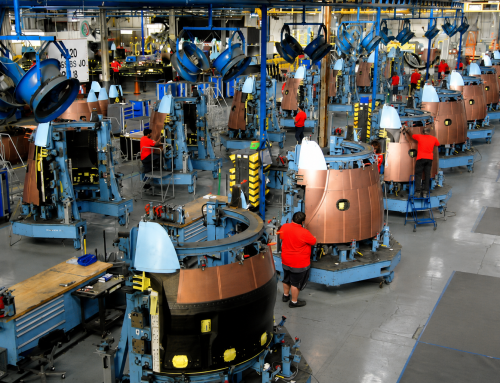
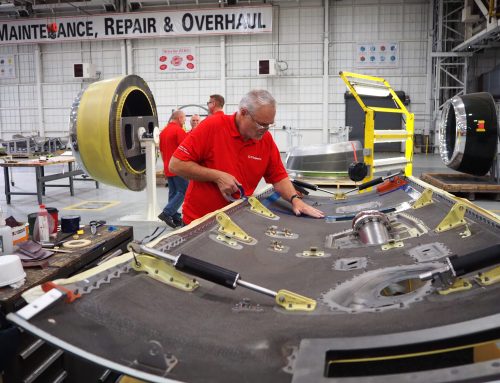
The process brings together engineering, manufacturing, quality, supply chain, and programme management teams to assess future demand requirements and operational capability. Through regular internal and customer-facing reviews, teams evaluate both immediate production needs and projected programme requirements over the coming years.
This collaborative approach enables early identification of:
- Production bottlenecks.
- Supply chain constraints.
- Quality risks.
- Workforce and capacity considerations.
- Opportunities for process improvement.
The process also supports strategic decision-making by aligning all stakeholders around shared production targets and operational priorities.
Supporting Long-Term Programme Success
The IQR framework has been implemented across major aerospace programmes, including the C919 and A320, where quarterly reviews support continuous alignment between customer demand forecasts and manufacturing capability.
By assessing production requirements both now and several years into the future, ST Engineering MRAS can proactively evaluate capacity, capability, and supply chain readiness to support sustained programme growth.
During a programme review, the analysis identified an opportunity for an engineering change that improved production efficiency and enabled increased output capability. This collaborative approach between customer and manufacturing teams demonstrated how early operational assessment can drive continuous improvement and long-term programme stability.
Driving Quality, Cost, Rate, and Risk Reduction
The Industrial Quality Readiness process is designed to support four key areas critical to aerospace ramp-up:
- Quality assurance.
- Cost management.
- Production rate readiness.
- Risk reduction.
By taking a strategic view of programme readiness, ST Engineering MRAS helps customers reduce operational uncertainty while improving production confidence and scalability.
The process also demonstrates the company’s commitment to investing in long-term customer success through proactive planning, continuous improvement, and cross-functional collaboration.
Conclusion
ST Engineering MRAS’s adopted Industrial Quality Readiness process provides customers with a structured and collaborative approach to managing aerospace programme ramp-up and long-term production planning. By aligning teams, identifying risks early, and supporting scalable manufacturing capability, MRAS continues to help customers navigate increasing production demands with confidence.
As aerospace programmes continue to evolve, proactive readiness planning remains essential to delivering quality, efficiency, and operational resilience across the full production lifecycle.