Integrated Propulsion
Propulsion Integration from Engineering Through Production
Engine Build-Up (EBU) brings together the systems and hardware required to connect an engine to the aircraft, integrating hundreds of components across pneumatic, fuel, hydraulic, electrical, and other critical functions.
ST Engineering MRAS combines decades of aerospace engineering and manufacturing experience with established EBU capability to help customers manage this complexity.
From engineering and component development to supply chain management, kitting, assembly, and integration, MRAS can support the level of propulsion integration required by each individual program.
Managing Propulsion Complexity
A typical Engine Build-Up can comprise hundreds of components from multiple suppliers, creating a complex network of systems, interfaces, and supply chain requirements.
Each component must be engineered or sourced, controlled, configured, and available at the correct point in the production process. At program scale, effective propulsion integration therefore depends not only on engineering capability, but on the ability to manage the complete industrial process surrounding it.
MRAS brings these disciplines together, helping customers manage complexity while supporting quality, configuration control, repeatability, and production readiness.
MRAS Engine Build-Up Expertise
MRAS has extensive experience supporting EBU and propulsion integration requirements across established aerospace programs.
Our capabilities span:
- Engineering and systems integration.
- Component design and development.
- Supply chain and supplier management.
- Material control and kitting.
- Manufacturing and fabrication.
- Assembly and integration.
- Quality and configuration control.
- Production planning and industrialization.
By combining engineering expertise with established aerospace manufacturing and production systems, MRAS can support customers from initial technical requirements through to repeatable production.
See Engine Build-Up in Action
From structured component kitting and material flow through assembly and integration, see how ST Engineering MRAS manages the complexity behind production-ready Engine Build-Up.
From Components to Production-Ready Propulsion
Effective Engine Build-Up requires hundreds of individual components to come together at the right time, in the right configuration, and through a controlled production process.
Components entering the facility are received, inspected, and controlled before being organized into structured kits for production. Materials and components are positioned to support efficient workflow, while defined production processes help ensure consistency as each build progresses through assembly and integration.
This coordinated approach brings together supply chain management, material control, kitting, manufacturing, and assembly to help reduce interfaces and support efficient, repeatable production.
The result is a structured industrial process capable of taking complex EBU requirements from individual components through to a shipment-ready propulsion package.
Flexible Integration for Your Program
There is no single approach to propulsion integration.
Some aircraft and engine manufacturers choose to retain responsibility for significant elements internally. Others require an experienced partner to manage a broader combination of engineering, supply chain, industrialization, and production activities.
MRAS can support different levels of integration according to the requirements of the program.
Whether the requirement is for specific EBU components and systems, engineering and industrialization support, supply chain and kitting capability, or broader assembly and integration, MRAS can work with customers to establish an approach appropriate to their technical and production requirements.
This flexibility enables customers to retain the capabilities they choose to manage internally while accessing MRAS expertise when additional integration capabilities, capacity, or experience are required.
Engineering and Manufacturing Capability
MRAS applies advanced engineering tools and techniques to support the development and optimization of Engine Build-Up systems.
Engineering capabilities include Computational Fluid Dynamics (CFD), Finite Element Analysis (FEA), and other simulation and analysis techniques for evaluating system performance and supporting design development.
This expertise is complemented by extensive manufacturing capabilities, including precision machining, welding, and fabrication, enabling MRAS to support EBU requirements from design and analysis through manufacturing and production.
By considering engineering, manufacturing, and integration together, MRAS can help develop solutions that address not only the performance of individual components and systems but also their manufacture, supply, assembly, and integration within the wider propulsion system.
Proven Program Experience
MRAS has supported Engine Build-Up requirements across major aerospace programs, applying its engineering, manufacturing, supply chain, and integration expertise to complex propulsion systems.
This experience includes the Airbus A320neo LEAP-1A program, where MRAS provides Engine Build-Up alongside its broader nacelle program responsibilities.
Combined with MRAS’s broader nacelle and propulsion system experience, this provides a strong foundation to support established and future aerospace programs with complex integration requirements.
Engine Build-Up in Practice
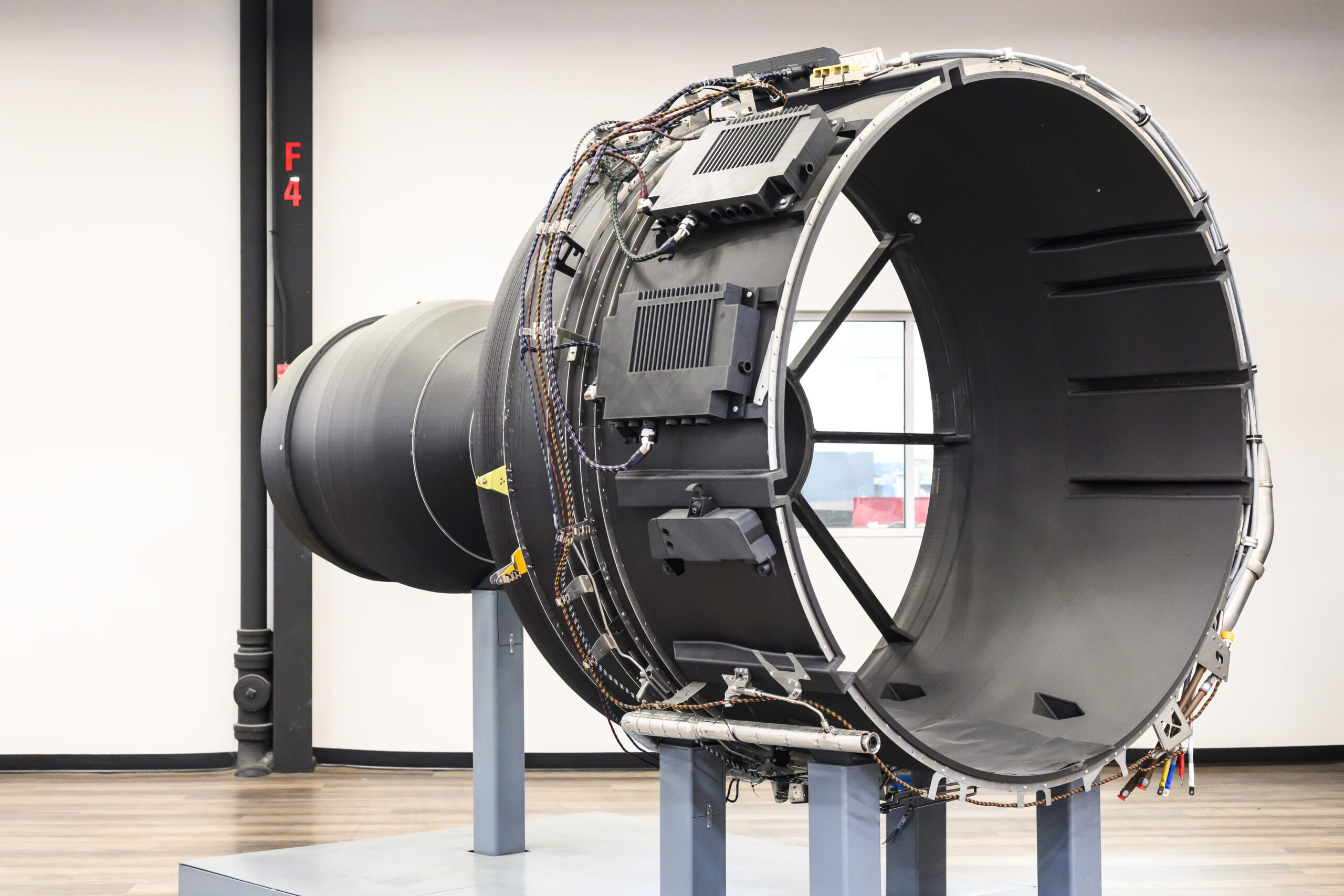
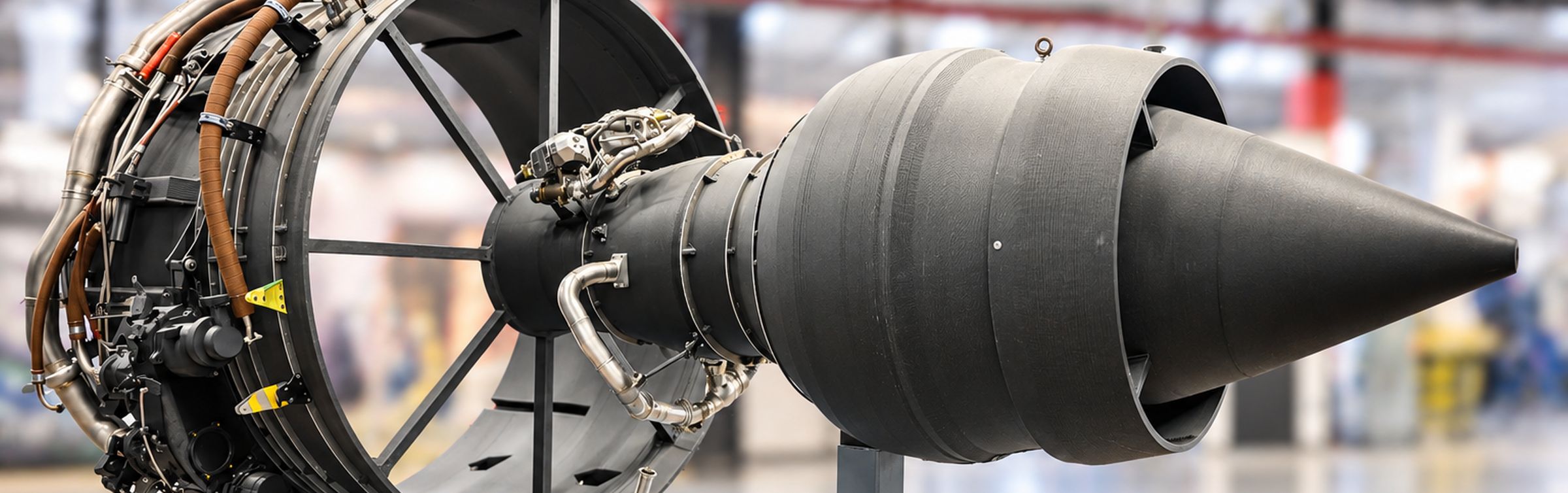
Integrated Propulsion Demonstrator